

Digestive Health
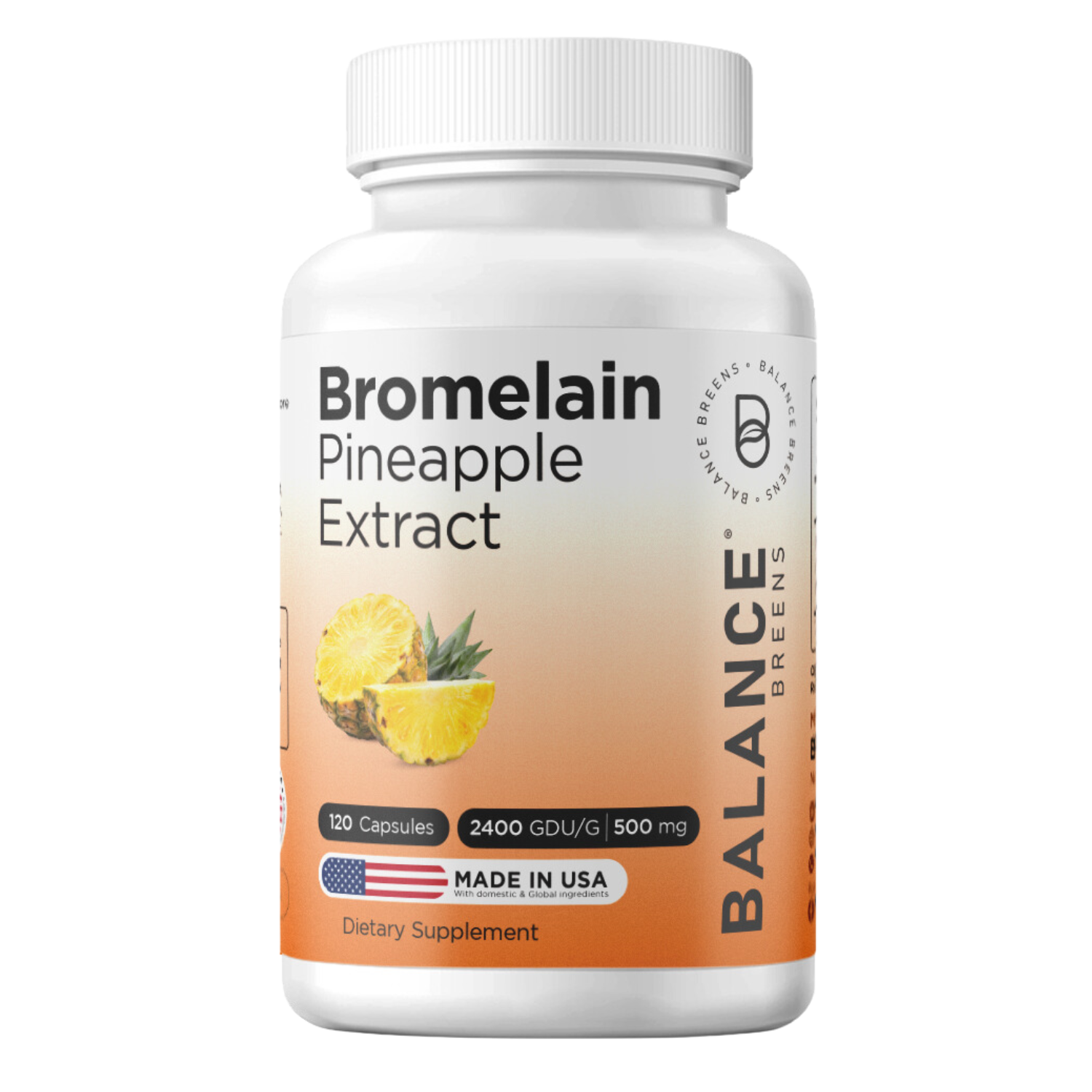
Our digestive health supplements feature Bromelain and Probiotics to support healthy digestion and gut health. Bromelain is a natural enzyme that helps break down proteins and supports digestive comfort after meals, while probiotics help maintain a healthy balance of beneficial gut bacteria and support a healthy microbiome. All capsules are non-GMO and third-party tested for quality and purity.


Frequently Asked Questions
It depends on the issue. If bloating and discomfort after meals are the primary symptoms, a digestive enzyme like bromelain is the most targeted solution. Bromelain, derived from pineapple, has decades of clinical research behind it and works by helping the body break down protein more efficiently. If the issues are more chronic—such as irregular digestion, low energy, skin problems, or persistent gut inflammation—a supplement with prebiotic and mineral support is a better starting point. Irish Sea Moss, bladderwrack, and burdock root together provide over 90 trace minerals, gut-soothing mucilage, and inulin, a prebiotic fibre that feeds the beneficial bacteria your digestive system relies on. For many people, using both an enzyme and a gut support supplement together produces the best results.
The most common indicators include frequent bloating or gas after meals, irregular bowel habits, persistent fatigue even after getting enough sleep, recurring skin issues like acne or eczema that do not respond to topical treatments, and unexplained food sensitivities that seem to worsen over time. Many people also experience brain fog, low mood, or difficulty concentrating, which research increasingly connects to imbalances in the gut-brain axis. If several of these signs are present, the gut lining and microbiome are often the right place to focus. Prebiotic-rich supplements that support beneficial bacteria can help rebuild this foundation, while digestive enzymes can address the immediate symptoms of poor digestion.
GLP-1 receptor agonists such as semaglutide (Ozempic, Wegovy) and tirzepatide (Mounjaro) work in part by slowing gastric emptying, which helps reduce appetite. However, this effect can also lead to common side effects like nausea, bloating, and difficulty digesting protein-heavy meals. Digestive enzymes such as bromelain may help ease these symptoms by supporting the breakdown of proteins that remain in the stomach longer than usual. That said, it’s important to consult your prescribing physician before adding any supplement to a GLP-1 regimen. While bromelain is generally well tolerated and does not interact with GLP-1 at the receptor level, individual medical situations can vary, and your doctor should be aware of everything you’re taking.
Digestive enzymes break down food, working within hours to help your body extract more nutrients from what you eat. When food isn’t properly digested, it can ferment in the gut, leading to gas, bloating, and discomfort. Probiotics, on the other hand, are live bacteria that colonize the gut and support its overall microbial balance. They work over weeks, helping regulate immune function, inflammation, and bowel regularity. These two are not interchangeable—enzymes handle the process of digestion itself, while probiotics support the environment where digestion takes place. If you’re not ready to add a probiotic, a prebiotic supplement like Irish Sea Moss with burdock root can offer a similar benefit by feeding the beneficial bacteria already present in your gut, helping them grow and naturally outcompete harmful strains.