

Sleep
Our natural sleep supplements work with your body's own rhythm, not against it. Magnesium bisglycinate lowers cortisol and supports overnight muscle recovery through superior absorption, while ashwagandha calms stress hormones so you fall asleep faster and stay asleep longer. Every sleep aid capsule is non-GMO, third-party tested, and made in a GMP-certified facility.



Frequently Asked Questions
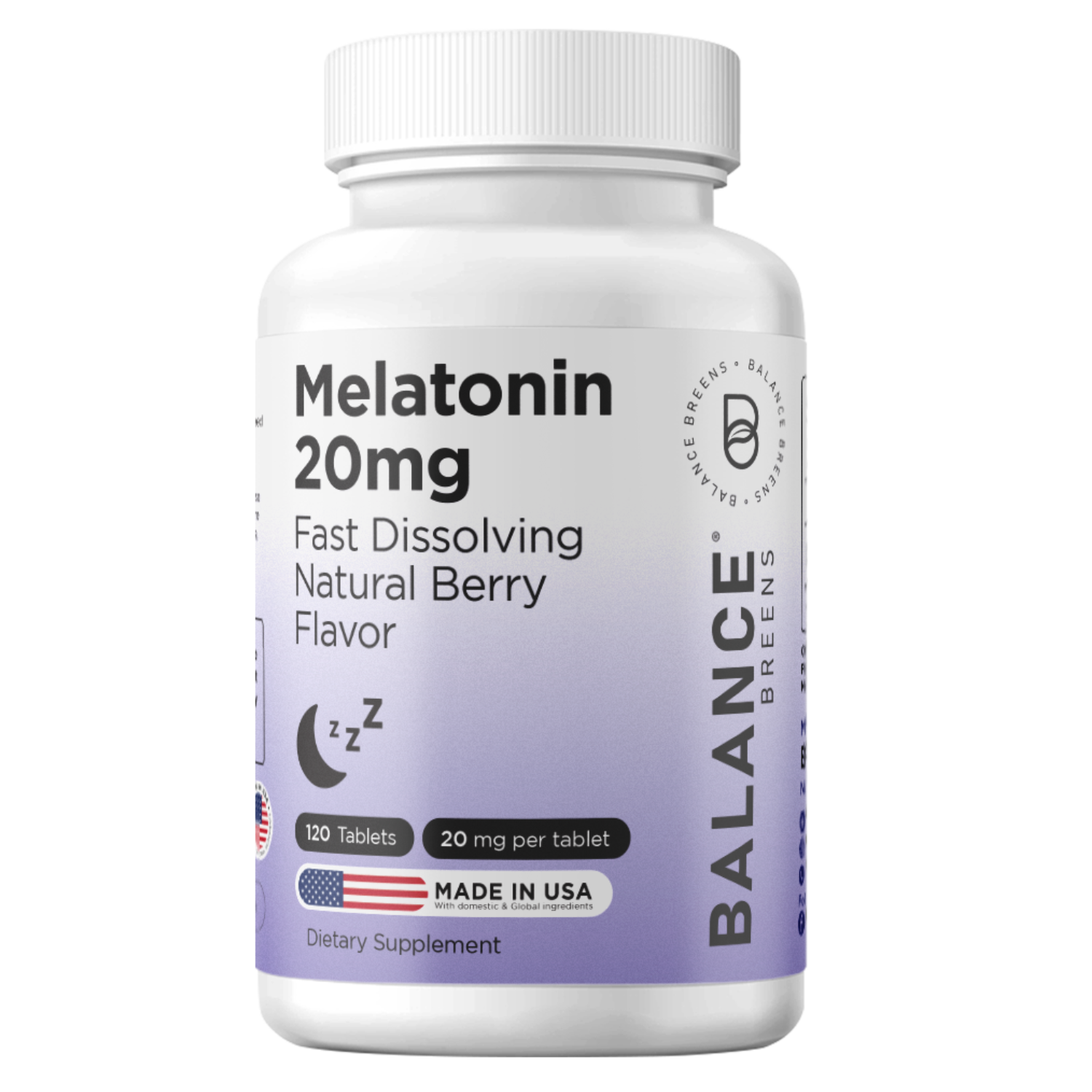
It depends on where your sleep is breaking down. If you are new to melatonin supplements, 10mg is enough for most adults. It supports healthy sleep onset and helps your body recognise when it is time to wind down. The 20mg fast-dissolve option is the extra strength choice, built for people whose sleep is being disrupted by shift work, frequent travel, or high cortisol from chronic stress. Both work best taken 30 minutes before bed. Melatonin lowers core body temperature and reduces alertness rather than sedating you, which is why there is no groggy hangover the following morning.
Magnesium bisglycinate and ashwagandha are the two strongest non-melatonin options. Magnesium works by activating GABA, the neurotransmitter that quiets brain activity at night. If you fall asleep but wake up at 2 or 3am, low magnesium is one of the most common and underdiagnosed causes. Ashwagandha takes a different approach. Rather than acting on sleep directly, it lowers cortisol over time, which removes the stress-driven wakefulness that keeps many people alert long after they should be asleep. Neither is a sedative, neither causes dependency, and both can be taken long-term.
Magnesium bisglycinate, also known as magnesium glycinate, is a chelated form of magnesium in which the mineral is bonded to the amino acid glycine. This chelation significantly enhances absorption in the body compared to more common and inexpensive forms like magnesium oxide or citrate. In addition to improving bioavailability, glycine itself has been shown in clinical studies to support better sleep quality, meaning this form offers the combined benefits of both magnesium and the amino acid in a single capsule. A typical 200 mg serving is also gentle on the stomach, which is important since higher doses of other magnesium forms can often lead to digestive discomfort.
Yes, and the research behind it is stronger than for most herbal supplements. Multiple randomized controlled trials have shown significant reductions in cortisol levels along with improvements in overall sleep quality scores after four to eight weeks of daily ashwagandha supplementation. The 1600 mg serving used here is at the higher end of clinically studied doses. Unlike something like melatonin, ashwagandha works cumulatively, meaning you won’t feel a dramatic effect on the first night. However, by week three or four, most people report falling asleep faster, staying asleep longer, and feeling less restless at bedtime. It is also organic, vegan, non-GMO, and considered safe for daily long-term use.